Unlock your office door with your phone — on the system you already own.
GateStride reads your access-control system’s events and calls its own unlock. Your locks, wiring, egress and certifications never change. Two small Linux machines bring it to life: one in the comms room, one at the door — and the door keeps working even if the network goes down.
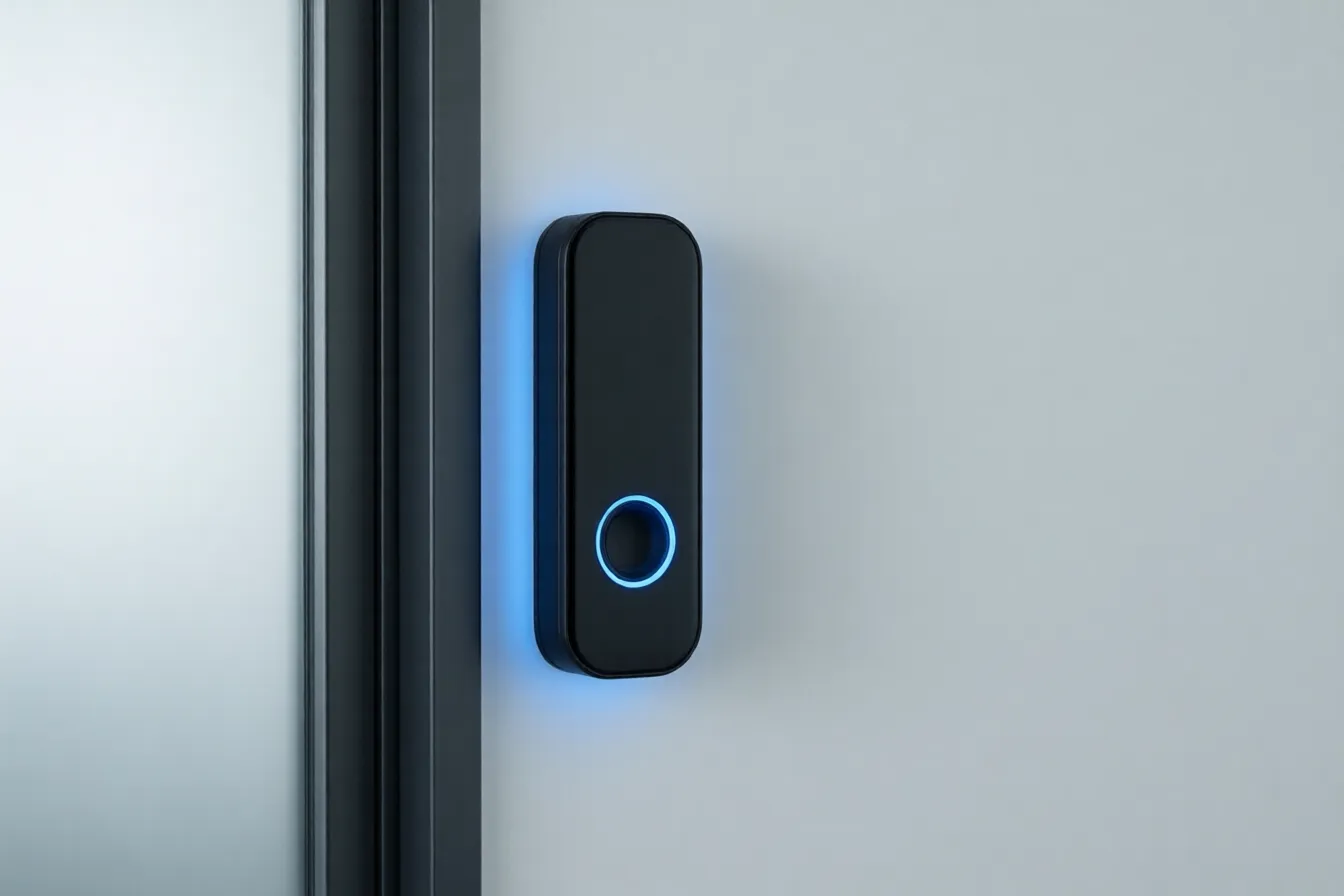

Illustrations, not photos of production hardware.
1 · Enroll a phone
An employee gets an invite. Their phone generates a key pair and binds it; the private key is created inside the secure element and never leaves the device. Phone, watch and tablet can each carry their own key.
2 · Walk up to the door
A node at the door exchanges a one-time signed challenge with the phone over Bluetooth, checks the person is allowed there and then, and unlocks through your existing panel. Every decision is made locally at the door.
3 · See everything
The center records entries and exits, keeps a live occupancy list, builds attendance, and writes a tamper-evident audit — across every door and every site.
Why two machines?
The door node is the part that actually opens the door, so it is built to run on its own: it caches a signed set of credentials and keeps verifying people even with no connection to anything else. The center is where you enroll people, push credentials, and read occupancy, attendance and audit. If the center is offline, doors still open; when it returns, everything syncs.
What it does not touch
GateStride never becomes your lock, your request-to-exit, your fire release or your certified controller. That stays with the system you already trust. We only add the two things it was missing: a way in without a card, and a record of who left.